

Jan 14, 2027
Brazil is the world’s largest beef producer, with 20% of global production totaling 12.35 million metric tons in the 2025/2026 market year. Brazil also ranks number three in chicken production, with 15.45 million metric tons accounting for 14% of the 2025/2026 global production. Already a major agricultural exporter, Brazil figured out how to tap into the unmet demand for Halal products in the early 1980s, and is now a leading supplier for overseas markets, serving Halal consumers in nations around the world with trusted Halal meat and other products worth well over $20 billion.

Dec 17, 2026
The United States is the world’s top beef-producing country, followed closely by Brazil. With over 12 million metric tons of beef products each year, the US represents 20% of global production. The United States also leads the world in chicken production, with over 21 million tons, and is a major global supplier of key feed crops including corn (nearly 380 million metric tons) and soybean (nearly 120 million metric tons). In addition to the large domestic market, these four commodities alone drive approximately $50 billion in agricultural exports.
Nov 19, 2026
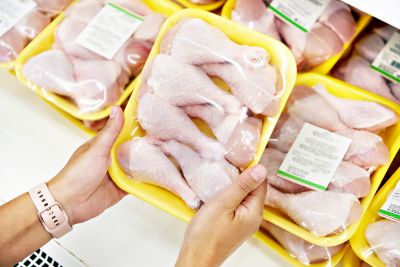
Current demand for Halal-certified food outstrips supply, presenting both challenges and exciting opportunities for the sector. One issue centers on automation, which can increase processing speeds, maximize production, and lower costs, but can sometimes conflict with Sharia regulations and consumer preferences.
Oct 15, 2026
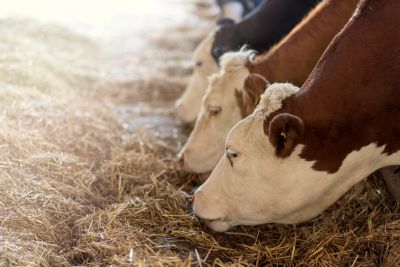
As demand for Halal meat in North America continues to grow, the supply chain infrastructure is expanding. Meat supply depends on a series of critical processing steps that are currently constrained by the highly consolidated nature of the industry, which stifles small- and mid-size ranchers, processors, and distributors. However, the Halal consumer segment is powerful. If consumers keep pushing for high quality Halal-certified meat produced with humane practices, the market will respond.

Sep 17, 2026
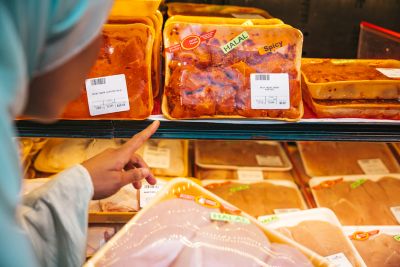
Halal-certified products are becoming more mainstream in the United States and Canada as North American Muslims seek out these products. What is changing is that, in addition to Halal certification, American and Canadian Muslim consumers want products that align with their other values as well - health, sustainability, aesthetics, and more. Identities, interests, and consumption patterns differ among younger generations, and manufacturers are responding.
Sep 11, 2026
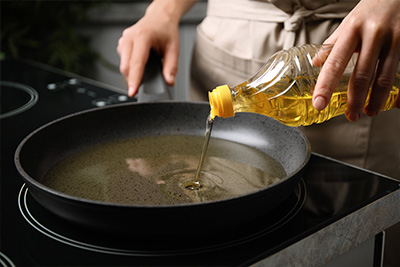
Vegetable oils all start with plants, but their path from seed to bottle varies widely. Here's how extraction, refining, and processing aids affect a vegetable oil's Halal status — and where verification really matters.

Aug 20, 2026
For over 50 years, ISA has been a leader in Halal certification. Based in Cedar Rapids, Iowa, we are a fully accredited, internationally recognized agency serving clients across the United States. We work with our Canadian partner company, Halal Montreal Certification Authority (HMCA), to provide certification and auditing services that support the development of North America as a Halal food production and export hub.
Jul 16, 2026
The debate over machine versus hand slaughter centers on intention: both involve a knife, but in machine slaughter, the operator uses an automated blade with the same intention. Some view this as fulfilling Quranic requirements, while others argue that each animal requires a human-directed act. Concerns arise from scholars unfamiliar with modern technology or from facilities lacking proper training and oversight. At ISA, we provide guidance to ensure all procedures meet Islamic principles and maintain Halal integrity.
Jun 18, 2026
Though sustainability and humane treatment of food animals throughout their lifetime are not encompassed by Halal certification alone, these concerns reflect Islam’s emphasis on reverence and respect for all forms of life and the ecosystems that sustain us. Thus, pairing Halal certification with Organic, Humanely Raised, Regenerative Organic Certified, or other certifications can make products especially attractive to Halal consumers who think holistically about food production and processing.
May 14, 2026
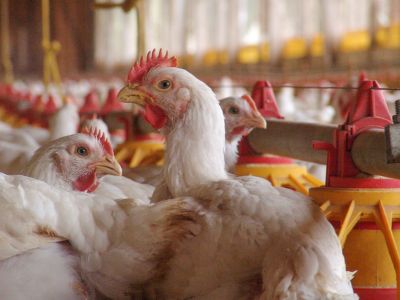
From a Halal perspective, it is important to separate the use of gas for stunning versus slaughtering. There is no debate that slaughtering via the use of gas alone would not be considered Halal, since it prevents completion of Islamic slaughter practices. The debate centers around the question of whether or not the animal is still alive after being rendered unconscious by gas exposure. While this method can be used for mass euthanasia of farm animals in the case of a disease outbreak, CAS prior to other slaughter processes does not kill the animal, and birds still have a heartbeat.