The Growth of Halal Meat Supply Chains Across North America
As demand for Halal meat in North America continues to grow, the supply chain infrastructure is expanding. Meat supply depends on a series of critical processing steps that are currently constrained by the highly consolidated nature of the industry, which stifles small- and mid-size ranchers, processors, and distributors. However, the Halal consumer segment is powerful. If consumers keep pushing for high quality Halal-certified meat produced with humane practices, the market will respond.
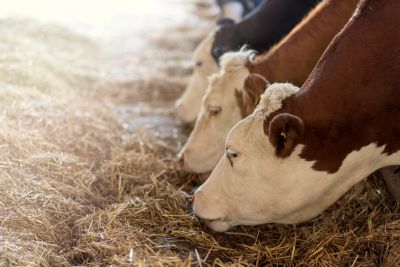
Halal-certified meat supply chains begin on the farm, as it is essential to ensure that all feed meets Halal standards. For example, animals destined for Halal-compliant slaughter and certification may not be fed any pork by products. Animals must also not be sick or injured, so humane conditions on the farm or ranch are important. Humane conditions are virtually impossible to maintain on massive concentrated animal feeding operations (CAFOs), so consumer demand for Halal may help drive a shift to more ethically run small and mid-size operations. On-farm, this may mean cattle raised on pasture rather than feed lots, and poultry raised cage-free with outdoor access instead of in small, confined spaces.
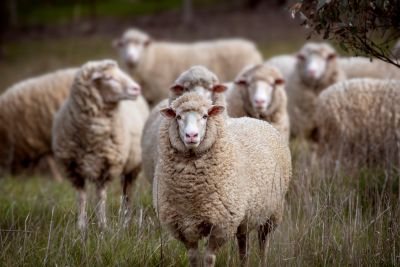
Another change that could happen in response to demand for Halal-certified meat is a resurgence of small and mid-size local slaughterhouses. Currently, most livestock are processed at massive slaughterhouses, often hundreds of miles from the farm where the animals were raised. This presents multiple concerns for Halal certification due to the ethical implications of transporting animals over long distances and the extremely rapid pace at which animals are processed at these facilities. Dr. Awal Fuseini, in his exclusive interview with ISA, discussed about minimizing animal stress from transport to slaughter; and he explained the importance of Halal certifiers to specify how long animals should rest in the lairage (the resting place at the abattoir).
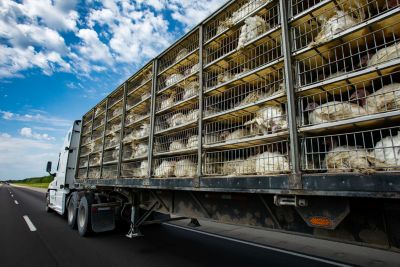
Thus, demand for Halal-certified products from small and mid-size slaughter operations could help shift supply chains to a more regional model that is safer and more humane for both people and livestock, with shorter travel distances and slower line speeds.
There is also a need for very small-scale processing, some of which is currently being met with mobile slaughter units. These units allow producers to process small numbers of animals locally, and facilitate direct to consumer sales.
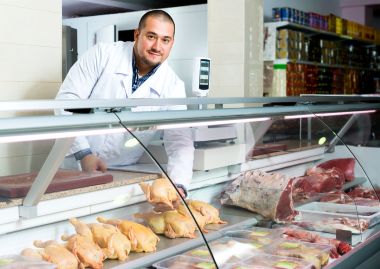
The demand for Halal-certified food, cosmetics, and other products has already sparked huge changes in these industries and created billion-dollar markets - proof that Halal consumers hold meaningful purchasing power. Consumers of Halal food can help support the needed changes to North American meat supply chains by demanding strict standards that require better on-farm conditions, more careful handling of livestock, and smaller slaughter facilities: if demand is there, supply will respond.