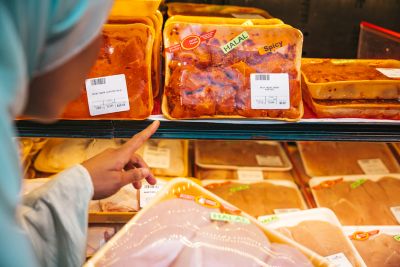
Hand Slaughter versus Machine Slaughter
Halal slaughter refers to the method of slaughter prescribed in Islamic law that makes meat permissible for Muslim consumption. The process requires a swift, deep cut with a sharp knife that severs the trachea, esophagus, and jugular veins, causing minimal pain and often rendering the animal unconscious within seconds. The person performing the slaughter must be a Muslim, Jew, or Christian, and a practicing Muslim must recite the name of Allah during the act. Additionally, the animal must be healthy and of a species that is lawful to eat.
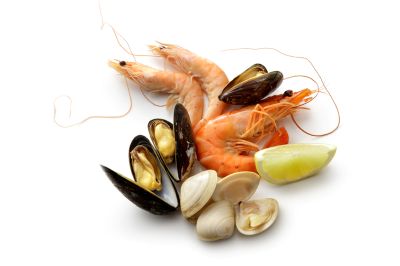
As new technologies have emerged over time, many aspects of Halal slaughter continue to be examined by scholars to better understand their implications and to apply Islamic law appropriately in modern contexts. For instance, some Muslims avoid shellfish, interpreting that only fish with scales are permissible, while others understand the relevant Quranic verse to include a wider variety of sea creatures, such as crustaceans. Likewise, both Islamic scholars and Muslim consumers continue to debate whether machine slaughter is acceptable compared to traditional hand slaughter.
Hand slaughter involves a person—a Muslim or Kitabbi (People of the Book)—making the cut with a sharp knife while pronouncing Bismillah. In contrast, machine slaughter uses an automated blade to perform the cut, currently applied only in poultry operations. Given the United States’ position as a major poultry producer, automation is essential for processing billions of chickens efficiently and cost-effectively. To ensure Halal compliance, the operator must be a Muslim (or Kitabbi), activate the machine with proper intention, and pronounce the tasmiyyah (“In the name of God”) at the start. Due to the speed of the production line, operators are encouraged to recite the tasmiyyah for each bird as much as possible.
Many scholars consider machine slaughter permissible if all Halal conditions are met, including the animal’s health, proper invocation of Allah’s name, and correct placement of the rotating knife to sever the front neck’s blood vessels properly.

The debate over machine versus hand slaughter centers on intention: both involve a knife, but in machine slaughter, the operator uses an automated blade with the same intention. Some view this as fulfilling Quranic requirements, while others argue that each animal requires a human-directed act. Concerns arise from scholars unfamiliar with modern technology or from facilities lacking proper training and oversight. At ISA, we provide guidance to ensure all procedures meet Islamic principles and maintain Halal integrity.
This difference of opinion, known as ikhtilaaf, reflects legitimate scholarly debate rather than clear consensus. Since machine slaughter is a modern development, there is no direct precedent in the Quran or Sunnah, leading to a range of valid views. Some prefer hand slaughter, while others accept machine slaughter if all prescribed conditions are met. At ISA, we recognize both methods under strict rules, emphasizing correct techniques, proper knife use, and adherence to Halal standards, while guiding the industry through widespread confusion and misunderstandings.
ISA addresses these issues by raising awareness through blogs, mini-documentaries, speaking engagements, community outreach, collaboration with international officials and Halal certifying bodies, and industry education. As consumers, you have influence—you can ask questions of food manufacturers, processing facilities, the USDA, the National Chicken Council, and any organizations serving Halal-certified food, including schools and restaurants.
It’s important to note that in North America, “Zabiha” has no legal definition requiring hand slaughter, highlighting the need for clearer labeling so consumers can make informed choices.