
How American Retailers Are Embracing the Growing Halal Consumer Demand
The United States Halal-certified food market is already large, estimated at over $90 billion and is projected to grow by another $21 billion by 2029 from 2024 levels. Consumer interest is not just in meat, but also in convenient, ready-to-eat packaged foods and lifestyle products such as vitamins and herbal supplements. Major U.S. and international brands are adding Halal certification to more products to expand market reach, combining Halal with other certifications such as vegan and non-GMO, and acquiring new brands to expand their Halal offerings.
Halal-certified products are becoming more mainstream in the United States and Canada as North American Muslims seek out these products. What is changing is that, in addition to Halal certification, American and Canadian Muslim consumers want products that align with their other values as well - health, sustainability, aesthetics, and more. Identities, interests, and consumption patterns differ among younger generations, and manufacturers are responding.
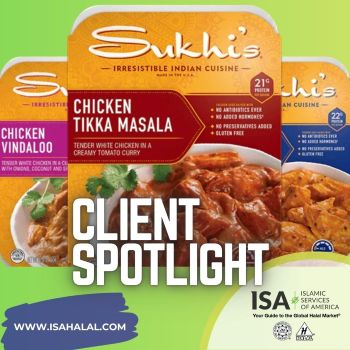
For example, Sukhi’s, a consumer packaged goods company that makes gourmet Indian cuisine and is Halal-certified by ISA, highlights a range of product attributes that align with consumer concerns about health and environmental impact, as well as the convenience factor of their ready-made meals. Various dishes are certified non-GMO, vegan, and gluten-free; meat-based meals note that they are free from antibiotics and added hormones. Several items feature high protein contents and emphasize ease of preparation - all in addition to displaying the Halal seal from ISA.
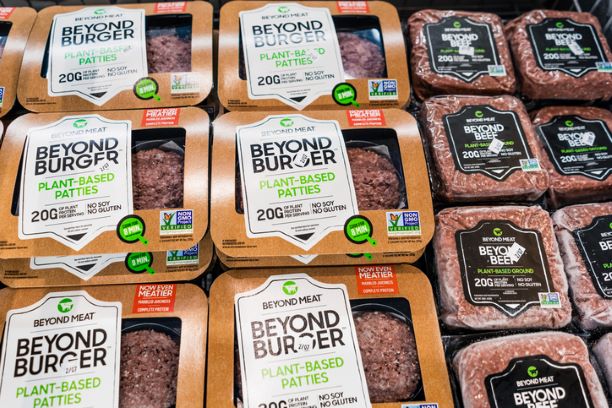
Similarly, Beyond Meat, which offers plant-based meat alternatives, is Halal-certified by ISA. Their products carry seals from the American Heart Association and the American Diabetes Association, and are non-GMO certified and vegan. They also feature a Clean Label Project certification, a third-party service that tests high levels of contaminants like heavy metals, pesticides, and plasticizers. Beyond Meat’s branding emphasizes healthy diets and active lifestyles, values that complement Halal but extend beyond it to meet consumer preferences for health and sustainability-coded products.
It’s not just manufacturers of packaged meals or health foods responding to consumer demand - mainstream companies have also realized that Halal certification is a keyway to position themselves as a sought-after brand across many consumer demographics.
Vitalabs, a Georgia-based supplement manufacturer and client of ISA, offers dozens of Halal-certified vitamins, minerals, and other wellness products. What is especially exciting to see is that these are mainstream companies, catering not just to niche markets, but to a large consumer base that is interested in Halal certified food. For some, the religious compliance aspect is essential, but many consumers highly value the assurance of purity, rigorous quality control, and additional checks on animal welfare.
Retailers are responding, too. As Halal has become more widely available, consumers have the option of Halal products that reflect their lifestyles more broadly, not just religious obligations, and major retailers want those products on the shelves. Recent years have seen a large expansion from mostly specialty shops and import grocery stores to major US retailers including Walmart, Costco, and Whole Foods. Costco, for example, now sells Halal-certified whole lamb from Australia and New Zealand; packaged cuts of lamb, beef, goat, and chicken; a variety of herbal supplements, and packaged foods such as baklava, beef sticks, and instant ramen noodles. Similarly, Walmart offers Halal-certified whole cuts of meat and chicken, ready-to-eat meals, deli meats, naan and paratha breads, supplements, and more.

This retailer response has in some ways mirrored the growth of Organic, non-GMO, and Kosher certified products, with Halal now joining these popular certifications in supermarkets in response to rising consumer demand.