
Positioning American Agribusiness in the Global Halal Supply Chain
The United States is the world’s top beef-producing country, followed closely by Brazil. With over 12 million metric tons of beef products each year, the US represents 20% of global production. The United States also leads the world in chicken production, with over 21 million tons, and is a major global supplier of key feed crops including corn (nearly 380 million metric tons) and soybean (nearly 120 million metric tons). In addition to the large domestic market, these four commodities alone drive approximately $50 billion in agricultural exports.
Domestic Halal food demand is currently over $20 billion and growing, part of a global market predicted to reach nearly $6 trillion by 2030. As an agricultural powerhouse, the US is in many ways poised to take advantage of growing demand for Halal-certified food products both domestically and internationally - but some changes may be needed to allow American producers to fully tap into this exciting market space. Challenges include limited government oversight due to the religious nature of Halal certification, avoiding excessive corporate influence, and the highly consolidated nature of agricultural supply chains that may conflict with certain aspects of Sharia. Large slaughterhouses virtually always contradict the requirements for humane treatment of animals and workers that Halal certification requires.
In contrast, small- and mid-sized slaughterhouses can lower environmental impact by reducing transportation distances and improving working conditions in ways that facilitate proper Halal slaughter.
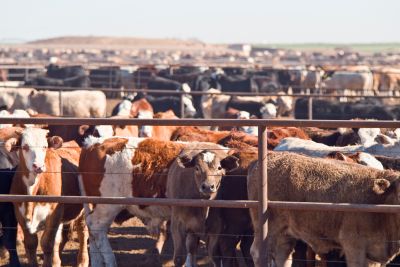
In addition, livestock are often raised on feed that is not Sharia compliant, such as that containing animal byproducts or pork derivatives. For meat products to be truly Halal, all aspects of on-farm production - not just the slaughter process - should reflect the spirit of Sharia. One way consumers can support this shift is by demanding Halal-certified meat from small and mid-sized farms and slaughterhouses that use traditional and environmentally friendly practices. Additionally, more education is also needed to inform farmers about how Halal meat production can support shared goals of economic and environmental sustainability.
Other challenges lie in the regulatory and trade spheres. Current demand for Halal food far exceeds supply, creating an urgent need for better definitions, regulation, and enforcement in an environment of rapid growth. Since Halal certification is based on tenets of faith, government involvement is limited, and it is left to industry organizations to enforce regulations and educate consumers.

In many ways, this approach is beneficial, as organizations such as ISA help bridge the gap by offering training and education that uphold Sharia principles and reflect consumer needs. Throughout this process, it is important that the narrative is driven by Halal consumers and certifying organizations, rather than being subject to undue influence from corporations that may be willing to sacrifice rigorous standards for increased profits.
Like non-Halal sectors of the export market, international consumers will be critical for American Halal-certified commodity and food product sales. Importing countries need to be assured of high quality and clear, enforced standards in order to trust important foreign products. Again, consumers can support these efforts by demanding rigorous certification standards for Halal food products that reflect their values throughout the supply chain, from farm to supermarket. This will strengthen the U.S. Halal industry as a whole, and boost international confidence in American Halal products and certifiers.
With its agricultural strength, the United States is well-positioned to capitalize on the growing global Halal market, and prioritizing sustainable, ethical production on small- and mid-sized farms, coupled with rigorous certification, can solidify its standing as a major industry leader.