Why Gelatin from Animal Sources Can Be Problematic for Halal Consumers
Gelatin, though often hidden in ingredient lists, carries deep significance for Halal consumers. What may appear to be a harmless additive can quickly become a matter of trust, faith, and daily lifestyle choices. This article explains why animal-based gelatin poses challenges and highlights Halal-friendly alternatives.
What is Gelatin?
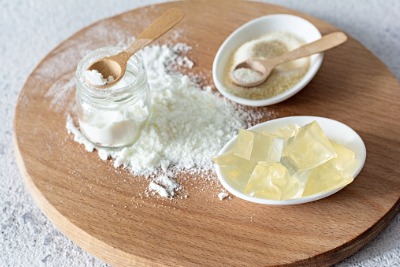
Gelatin is a flavorless, transparent protein derived from collagen found in the skin, bones, and connective tissues of animals. When boiled, collagen produces gelatin, which has gelling, stabilizing, and thickening properties. Mixed with water, it forms a jelly-like substance, widely used in the food industry—especially in bakery items, desserts, and confectionery.
Where and How is Gelatin Used?
Gelatin is used across a wide range of industries:
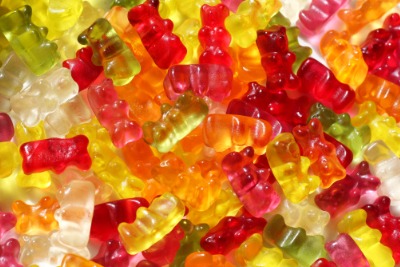
- Food Industry: Marshmallows, gummy candies, yogurts, and ice creams for texture and consistency.
- Pharmaceuticals: Capsules, vitamin coatings, and tablet binders.
- Cosmetics: Face masks, hair treatments, and creams for firmness and smoothness.
- Other Uses: Photography films, dietary supplements, and beverages for clarification.
Why Halal Certification is Necessary
Gelatin is often sourced from pork skin or bones, or from non-Halal slaughtered animals because it is cost-effective. However, these sources are strictly forbidden in Halal dietary law, leaving consumers uncertain about whether the gelatin used is permissible.
Halal certification resolves this concern by ensuring transparency and providing peace of mind. It assures consumers that the products they consume align with their faith and Halal values. In today’s complex market, where ingredients are often unclear, ISA’s Halal certification builds trust and confidence, helping consumers make informed and faith-conscious choices.
Halal certification ensures:
- The source animal is Halal (e.g., cattle or fish) or plant-based/vegan.
- The slaughtering process follows Halal (Zabiha) standards.
- No cross-contamination occurs with non-Halal ingredients.
- Consumers can purchase with confidence.
Why Animal-Based Gelatin Can Be Problematic
- Pork-derived gelatin: The most common and cost-effective source, but completely forbidden in Halal dietary law.
- Non-Halal slaughter: Even if derived from cattle, gelatin is not permissible unless the animal was slaughtered according to Zabiha Halal standards.
- Hidden ingredient: Gelatin is often vaguely labeled or undisclosed, making it difficult for Halal consumers to verify its source.
Alternatives to Animal-Sourced Gelatin
With growing awareness among Halal consumers, vegetarians, and vegans, alternatives to animal-based gelatin are more available than ever:
Plant-based options:
- Agar-Agar (from seaweed)
- Carrageenan (from red algae)
- Pectin (from fruits, especially citrus peels and apples)
- Lab-grown gelatin made without animal sources, still in development but highly promising.
These alternatives benefit Halal consumers as well as those avoiding animal-based products for health, ethical, or lifestyle reasons.
Conclusion
Gelatin remains an important ingredient, but its animal origins often create challenges for Halal consumers. Thankfully, with the rise of Halal-certified and plant-based alternatives, consumers now have safe and permissible choices. This shift supports inclusive food production, builds trust across communities, and encourages manufacturers to expand Halal-certified and vegan-friendly options in global markets—creating a win-win situation for both producers and consumers.
Islamic Services of America (ISA) is a leading USA based Halal certification and auditing organization serving companies, the community, and the Halal certification industry for nearly 50 years. Contact ISA at isa@isahalal.com or send your initial inquiry to Halal certify your products at https://isahalal.com/contact or visit the ISA website for more information at https://isahalal.com/